ClearPath
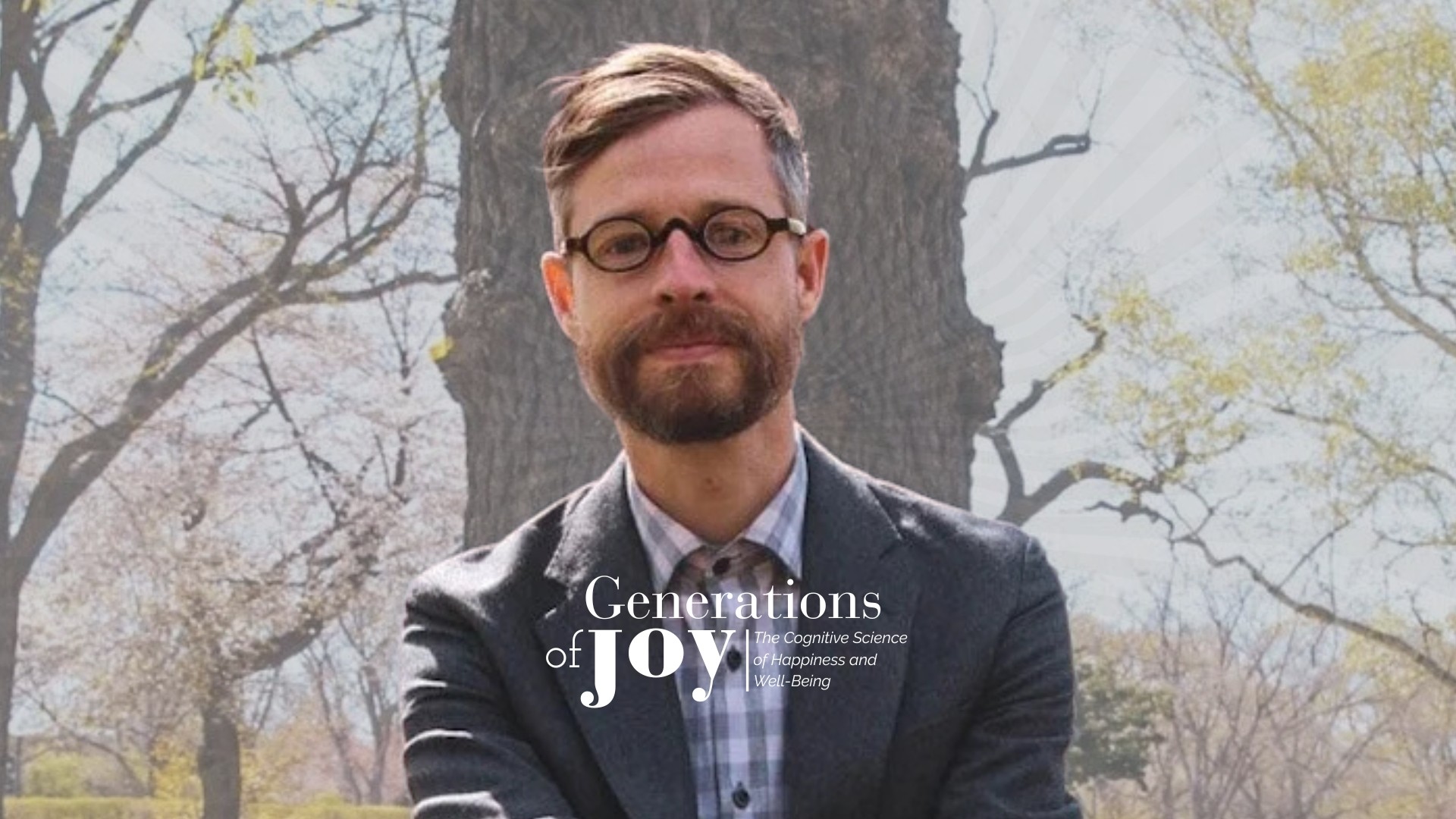
Mark Miller
Mark Miller

Cognitive Science

Cognitive Science

Generations of Joy

Generations of Joy

The challenge

The challenge

The challenge

Despite endless advice on mindset and self-care, many people remain caught in cycles of anxiety, craving, burnout, or quiet despair. The problem is that we misunderstand how the mind actually generates experience. This course will show you how your brain works to help you understand what it really means to be you and how to live well...

Despite endless advice on mindset and self-care, many people remain caught in cycles of anxiety, craving, burnout, or quiet despair. The problem is that we misunderstand how the mind actually generates experience. This course will show you how your brain works to help you understand what it really means to be you and how to live well...

Despite endless advice on mindset and self-care, many people remain caught in cycles of anxiety, craving, burnout, or quiet despair. The problem is that we misunderstand how the mind actually generates experience. This course will show you how your brain works to help you understand what it really means to be you and how to live well...

Mark Miller

Mark Miller

Mark Miller

The Journey

The Journey

The Journey

Moods that seem to hijack your day before you have time to think.
Habits you know aren’t good for you, yet feel strangely inevitable.
A sense of flatness or disengagement that no amount of “self-care” quite resolves.
Or moments of joy and clarity (during play or flow) that feel deeply real, but hard to sustain.

Most people try to address these experiences piecemeal.
Managing symptoms, chasing peak moments, or pushing through with willpower…without understanding how or why they work, making integration difficult.

What’s missing is a coherent model of the mind: one that explains emotion, motivation, suffering, and joy as part of a single process.

This course invites you into that model…

What if you’re not seeing the world, but only your best guess about it?

In cognitive neuroscience, we’re now beginning to realize that the world you're perceiving (your experience of yourself and others) is not you decoding information from out there.

Instead, your brain is constantly guessing what will happen next (based on the kinds of belief networks you've installed) and on the kind of evidence you've come into contact with.

And it's those predictions that you're experiencing with the whole of yourself: mentally, physically, emotionally.

Thus, a different belief matrix will produce a different reality, which changes a huge amount of what it means to be us…and how to be and live well.

And it's a liberating fact, because what it tells you is that your experience isn't an illusion, neither are you just watching reality pass by.

This opens an opportunity for us to think seriously and critically about the stories we tell about ourselves…because they really do matter.

It's transformational in the sense that we may not even be able to imagine what it’s like on this side of the fence, but we can be encouraged that there's another way to structure our model such that the thing that shines forth is the beauty and the purity of this reality.

Knowing that is powerful…but knowing that and cultivating the kinds of practices that help augment that system to hit the right notes is critical.

Course Description

The aim of this course is to be more transformational than informational.

Rather than starting from a kind of phenomenon that we know is good for mental health (like humility) we're going to start from here:

What are you, such that humility has some sort of impact on you?
And then we think about what these things are and how to do them.

This way, you can receive the teaching straighter, because you will not only know what it’s doing, but also why it works.

At the end of the day, we don't say completely new things:
We bump right into old wisdom traditions…but as soon as we bump into the wisdom tradition, we say why it works.

And what's so exciting about it is that this is living research…it’s unfolding in real time.
John and Mark are at the forefront of that research, and this will be the first comprehensive course on that topic.

Expect the classes to change between the structure that we have now and the day that we deploy them, because they'll be updated by whatever evidence is coming out, including research from that day or even from that week.


What You’ll Learn

What you will explore in these 8 weeks is the immense importance of this shift in what we think about how the brain and nervous system work, so that you begin taking in new evidence for who and what you are, and what the world is like.

You’ll learn:

  • Why craving, addiction, and despair are not moral failures, but maladaptive predictive loops

  • How important belief hygiene is, like getting the right kinds of beliefs and sourcing your beliefs in the right way

  • Why Buddhist practitioners who ruminate every day on suffering still hit all the markers for happiness and well-being

  • How perception, emotion, and identity emerge from predictive processing

  • Why play and flow restore adaptability and vitality

  • How depression relates to rigidity in sense-making and loss of meaning

  • What meditation and metacognition actually do to the mind

  • How doomscrolling is changing your expectations for how the world is

  • What a scientifically grounded account of flourishing looks like

With special guest lectures by John Vervaeke, this course will not only present these topics, but also give practices around them.

What You’ll Learn

What you will explore in these 8 weeks is the immense importance of this shift in what we think about how the brain and nervous system work, so that you begin taking in new evidence for who and what you are, and what the world is like.

You’ll learn:

  • Why craving, addiction, and despair are not moral failures, but maladaptive predictive loops

  • How important belief hygiene is, like getting the right kinds of beliefs and sourcing your beliefs in the right way

  • Why Buddhist practitioners who ruminate every day on suffering still hit all the markers for happiness and well-being

  • How perception, emotion, and identity emerge from predictive processing

  • Why play and flow restore adaptability and vitality

  • How depression relates to rigidity in sense-making and loss of meaning

  • What meditation and metacognition actually do to the mind

  • How doomscrolling is changing your expectations for how the world is

  • What a scientifically grounded account of flourishing looks like

With special guest lectures by John Vervaeke, this course will not only present these topics, but also give practices around them.

What You’ll Learn

What you will explore in these 8 weeks is the immense importance of this shift in what we think about how the brain and nervous system work, so that you begin taking in new evidence for who and what you are, and what the world is like.

You’ll learn:

  • Why craving, addiction, and despair are not moral failures, but maladaptive predictive loops

  • How important belief hygiene is, like getting the right kinds of beliefs and sourcing your beliefs in the right way

  • Why Buddhist practitioners who ruminate every day on suffering still hit all the markers for happiness and well-being

  • How perception, emotion, and identity emerge from predictive processing

  • Why play and flow restore adaptability and vitality

  • How depression relates to rigidity in sense-making and loss of meaning

  • What meditation and metacognition actually do to the mind

  • How doomscrolling is changing your expectations for how the world is

  • What a scientifically grounded account of flourishing looks like

With special guest lectures by John Vervaeke, this course will not only present these topics, but also give practices around them.

“One of the most important things for me as a university professor and meditation teacher is that I'm able to convert this science into practical, real-world applicable stuff. I'm not interested in doing science unless it makes people's lives better.”

“One of the most important things for me as a university professor and meditation teacher is that I'm able to convert this science into practical, real-world applicable stuff. I'm not interested in doing science unless it makes people's lives better.”

Mark Miller

Mark Miller

“One of the most important things for me as a university professor and meditation teacher is that I'm able to convert this science into practical, real-world applicable stuff. I'm not interested in doing science unless it makes people's lives better.”

Mark Miller

Course Curriculum


Class 1: The Predictive Mind and the Nature of Experience

Explore how the brain’s predictive processing shapes perception, action, and conscious experience.

Class 2: Affect as Prediction — Emotion, Mood, and the Feeling of Being

Examine emotions and moods as predictive processes that regulate bodily states and guide behavior.

Class 3: Craving, Addiction, and the Predictive Loop

Understand addiction as a maladaptive cycle of prediction and regulation.

Class 4: Depression, Despair, and the Crisis of Meaning

Analyze depression as a rigidity in predictive models, linked to despair and loss of meaning. Guest Lecture #1 with John Vervaeke: “The Predictive Mind and the Meaning Crisis”

Class 5: Flow, Play, and Adaptive Uncertainty

Discover how play and flow experiences recalibrate predictive models and foster adaptability.

Class 6: Meditation, Meta-Cognition, and Self-Transcendence

Investigate how meditation and meta-awareness disrupt maladaptive predictions and support self-transcendence.

Class 7: Wisdom, Insight, and the Plasticity of the Predictive Mind

Explore wisdom and insight as processes of radical model revision and epistemic humility. Guest Lecture #2 with John Vervaeke: “Wisdom, Relevance Realization, and Transformative Experience”

Class 8: A Predictive Science of Flourishing

Synthesize the course by examining well-being as adaptive alignment between predictive models, goals, and environment.


Course Curriculum


Class 1: The Predictive Mind and the Nature of Experience

Explore how the brain’s predictive processing shapes perception, action, and conscious experience.

Class 2: Affect as Prediction — Emotion, Mood, and the Feeling of Being

Examine emotions and moods as predictive processes that regulate bodily states and guide behavior.

Class 3: Craving, Addiction, and the Predictive Loop

Understand addiction as a maladaptive cycle of prediction and regulation.

Class 4: Depression, Despair, and the Crisis of Meaning

Analyze depression as a rigidity in predictive models, linked to despair and loss of meaning. Guest Lecture #1 with John Vervaeke: “The Predictive Mind and the Meaning Crisis”

Class 5: Flow, Play, and Adaptive Uncertainty

Discover how play and flow experiences recalibrate predictive models and foster adaptability.

Class 6: Meditation, Meta-Cognition, and Self-Transcendence

Investigate how meditation and meta-awareness disrupt maladaptive predictions and support self-transcendence.

Class 7: Wisdom, Insight, and the Plasticity of the Predictive Mind

Explore wisdom and insight as processes of radical model revision and epistemic humility. Guest Lecture #2 with John Vervaeke: “Wisdom, Relevance Realization, and Transformative Experience”

Class 8: A Predictive Science of Flourishing

Synthesize the course by examining well-being as adaptive alignment between predictive models, goals, and environment.

Course Curriculum


Class 1: The Predictive Mind and the Nature of Experience

Explore how the brain’s predictive processing shapes perception, action, and conscious experience.

Class 2: Affect as Prediction — Emotion, Mood, and the Feeling of Being

Examine emotions and moods as predictive processes that regulate bodily states and guide behavior.

Class 3: Craving, Addiction, and the Predictive Loop

Understand addiction as a maladaptive cycle of prediction and regulation.

Class 4: Depression, Despair, and the Crisis of Meaning

Analyze depression as a rigidity in predictive models, linked to despair and loss of meaning. Guest Lecture #1 with John Vervaeke: “The Predictive Mind and the Meaning Crisis”

Class 5: Flow, Play, and Adaptive Uncertainty

Discover how play and flow experiences recalibrate predictive models and foster adaptability.

Class 6: Meditation, Meta-Cognition, and Self-Transcendence

Investigate how meditation and meta-awareness disrupt maladaptive predictions and support self-transcendence.

Class 7: Wisdom, Insight, and the Plasticity of the Predictive Mind

Explore wisdom and insight as processes of radical model revision and epistemic humility. Guest Lecture #2 with John Vervaeke: “Wisdom, Relevance Realization, and Transformative Experience”

Class 8: A Predictive Science of Flourishing

Synthesize the course by examining well-being as adaptive alignment between predictive models, goals, and environment.

Who It’s For

This course is for people who sense that surface-level happiness advice is no longer enough.

It’s ideal for:

  • Thoughtful seekers interested in well-being, meaning, and personal growth

  • Students of psychology, philosophy, or cognitive science

  • Meditation and contemplative practitioners wanting deeper clarity

  • Educators, coaches, and therapists seeking coherent models of flourishing

  • Viewers of Awakening from the Meaning Crisis ready to apply its insights to lived experience

If you’re ready to understand joy not as a feeling to chase, but as a capacity to cultivate, Generations of Joy offers a rigorous and hopeful next step.

Fees

(Currently enrolled university students are eligible for student aid.
Please email
leslie.gyulay@vervaekefoundation.org with the subject "[Name] Student Aid" and proof of student status for more information.)

Tuition Fee: 600USD
Program runs: 16th March - May 4th
Online Sessions: Every Monday, 10am EST

This course is available alongside all the 2026 courses through the Season Pass included in Delta Membership.

Who It’s For

This course is for people who sense that surface-level happiness advice is no longer enough.

It’s ideal for:

  • Thoughtful seekers interested in well-being, meaning, and personal growth

  • Students of psychology, philosophy, or cognitive science

  • Meditation and contemplative practitioners wanting deeper clarity

  • Educators, coaches, and therapists seeking coherent models of flourishing

  • Viewers of Awakening from the Meaning Crisis ready to apply its insights to lived experience

If you’re ready to understand joy not as a feeling to chase, but as a capacity to cultivate, Generations of Joy offers a rigorous and hopeful next step.

Fees

(Currently enrolled university students are eligible for student aid.
Please email
leslie.gyulay@vervaekefoundation.org with the subject "[Name] Student Aid" and proof of student status for more information.)

Tuition Fee: 600USD
Program runs: 16th March - May 4th
Online Sessions: Every Monday, 10am EST

This course is available alongside all the 2026 courses through the Season Pass included in Delta Membership.

Who It’s For

This course is for people who sense that surface-level happiness advice is no longer enough.

It’s ideal for:

  • Thoughtful seekers interested in well-being, meaning, and personal growth

  • Students of psychology, philosophy, or cognitive science

  • Meditation and contemplative practitioners wanting deeper clarity

  • Educators, coaches, and therapists seeking coherent models of flourishing

  • Viewers of Awakening from the Meaning Crisis ready to apply its insights to lived experience

If you’re ready to understand joy not as a feeling to chase, but as a capacity to cultivate, Generations of Joy offers a rigorous and hopeful next step.

Fees

(Currently enrolled university students are eligible for student aid.
Please email
leslie.gyulay@vervaekefoundation.org with the subject "[Name] Student Aid" and proof of student status for more information.)

Tuition Fee: 600USD
Program runs: 16th March - May 4th
Online Sessions: Every Monday, 10am EST

This course is available alongside all the 2026 courses through the Season Pass included in Delta Membership.

Installments

One-Time

Generations of Joy

Live 3-month payment plan/One-Time Purchase

$200

/month

Live Teaching for 8 weeks

Lifetime Access to all 8 lectures and seminar recordings

Access to the course channel in the Lectern Lounge

Sign up now!

Installments

One-Time

Generations of Joy

Live 3-month payment plan/One-Time Purchase

$200

/month

Live Teaching for 8 weeks

Lifetime Access to all 8 lectures and seminar recordings

Access to the course channel in the Lectern Lounge

Sign up now!

Installments

One-Time

Generations of Joy

Live 3-month payment plan/One-Time Purchase

$200

/month

Live Teaching for 8 weeks

Lifetime Access to all 8 lectures and seminar recordings

Access to the course channel in the Lectern Lounge

Sign up now!

Course Leadership

Dr. Mark Miller

Research Fellow, Philosopher, Cognitive Scientist
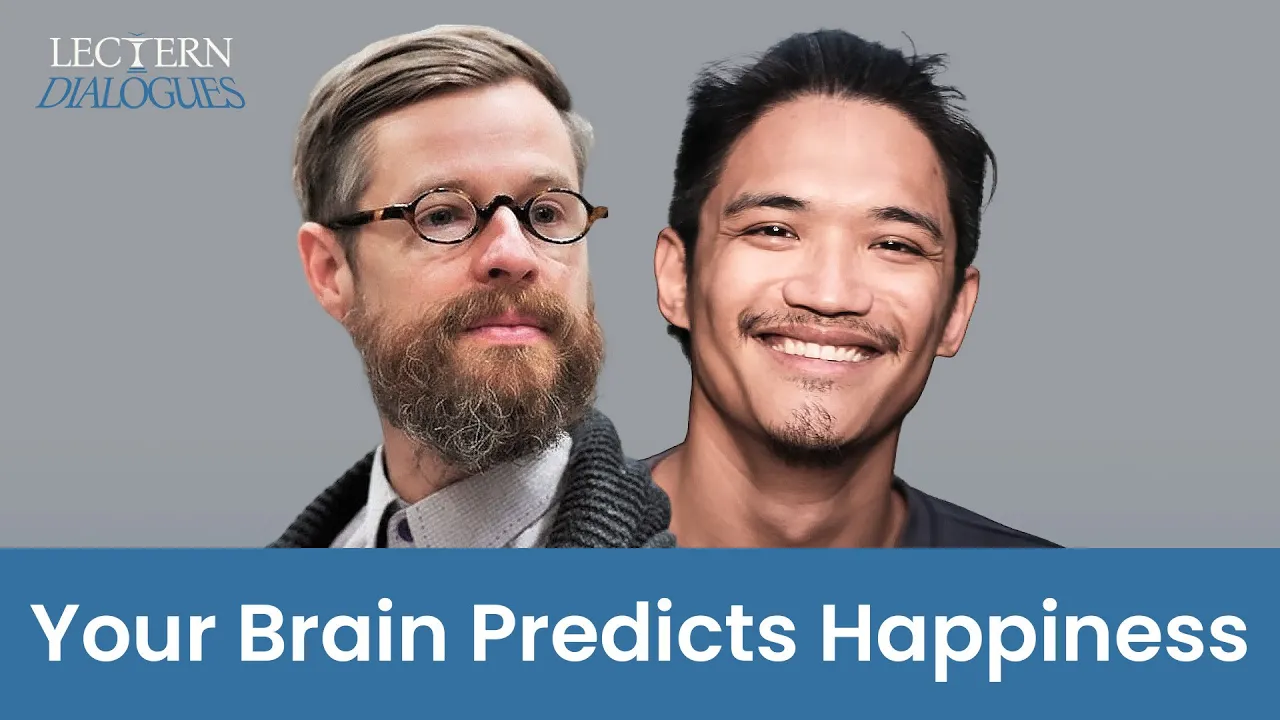
Mark Miller is a philosopher and cognitive scientist whose work bridges philosophy, neuroscience, and contemplative science. His research investigates how the predictive brain shapes happiness, well-being, and our search for meaning in a technologically saturated world. He is Senior Research Fellow at Monash University’s Centre for Consciousness and Contemplative Studies (Australia), cross-affiliated with the Psychology Department at the University of Toronto (Canada), and a visiting researcher at Hokkaido University’s Centre for Human Nature, Artificial Intelligence and Neuroscience (Japan).

John Vervaeke

Professor of Cognitive Science, Philosopher

John Vervaeke is a cognitive scientist and award-winning educator at the University of Toronto, whose research and publications span relevance realization, general intelligence, mindfulness and wisdom. He is the principle designer of a range of philosophical practices, notably Dialectic-into-Dialogos and Socratic Search Space. Beyond the classroom, Vervaeke is widely known for the 50-episode public lecture series Awakening from the Meaning Crisis. He has also published multiple papers in interdisciplinary academic journals.

Course Leadership

Dr. Mark Miller

Research Fellow, Philosopher, Cognitive Scientist
Mark Miller is a philosopher and cognitive scientist whose work bridges philosophy, neuroscience, and contemplative science. His research investigates how the predictive brain shapes happiness, well-being, and our search for meaning in a technologically saturated world. He is Senior Research Fellow at Monash University’s Centre for Consciousness and Contemplative Studies (Australia), cross-affiliated with the Psychology Department at the University of Toronto (Canada), and a visiting researcher at Hokkaido University’s Centre for Human Nature, Artificial Intelligence and Neuroscience (Japan).

John Vervaeke

Professor of Cognitive Science, Philosopher

John Vervaeke is a cognitive scientist and award-winning educator at the University of Toronto, whose research and publications span relevance realization, general intelligence, mindfulness and wisdom. He is the principle designer of a range of philosophical practices, notably Dialectic-into-Dialogos and Socratic Search Space. Beyond the classroom, Vervaeke is widely known for the 50-episode public lecture series Awakening from the Meaning Crisis. He has also published multiple papers in interdisciplinary academic journals.

Course Leadership

Dr. Mark Miller

Research Fellow, Philosopher, Cognitive Scientist
Mark Miller is a philosopher and cognitive scientist whose work bridges philosophy, neuroscience, and contemplative science. His research investigates how the predictive brain shapes happiness, well-being, and our search for meaning in a technologically saturated world. He is Senior Research Fellow at Monash University’s Centre for Consciousness and Contemplative Studies (Australia), cross-affiliated with the Psychology Department at the University of Toronto (Canada), and a visiting researcher at Hokkaido University’s Centre for Human Nature, Artificial Intelligence and Neuroscience (Japan).

John Vervaeke

Professor of Cognitive Science, Philosopher

John Vervaeke is a cognitive scientist and award-winning educator at the University of Toronto, whose research and publications span relevance realization, general intelligence, mindfulness and wisdom. He is the principle designer of a range of philosophical practices, notably Dialectic-into-Dialogos and Socratic Search Space. Beyond the classroom, Vervaeke is widely known for the 50-episode public lecture series Awakening from the Meaning Crisis. He has also published multiple papers in interdisciplinary academic journals.

FAQ

Are these courses like other online philosophy or spirituality courses?

Not exactly. These courses are not designed as content dumps or self-help programs. They are structured learning journeys that integrate philosophy, cognitive science, history, and spirituality to cultivate deeper understanding, clearer sense-making, and existential relevance, not hacks or techniques.

Do I need prior background in philosophy, cognitive science, or religion?

No formal background is required. The courses are carefully scaffolded and assume curiosity rather than expertise. If you’re willing to read attentively, reflect seriously, and sit with difficult questions, you’ll be able to engage the material meaningfully.

Are these courses practical, or purely theoretical?

They are intellectually rigorous, but never merely abstract. Each course is oriented toward how ideas shape perception, meaning, identity, and lived experience. While these are not “how-to” programs, they are a conceptual foundation for practice, transformation, and orientation in life.

Is this therapy or spiritual direction?

No. These courses are educational and philosophical in nature. They may be personally challenging and transformative, but they are not therapy, pastoral counseling, or clinical intervention. Growth here comes through understanding, dialogue, and reflection.

How much time should I expect to commit?

Most courses are designed to be manageable alongside work or study. Expect time for watching lectures, doing assigned readings (where applicable), and reflective integration. The depth you get out of the course will largely reflect the care you bring to it.

Are these courses connected to one another, or can I take them independently?

Each course stands on its own, but they are also part of a larger, coherent intellectual and pedagogical arc across The Lectern. Many learners find that taking multiple courses deepens understanding as ideas recur, evolve, and interconnect across contexts.

Will this challenge my beliefs?

Possibly. These courses do not aim to persuade you toward a particular ideology or worldview, but they do invite you to examine assumptions, inherited frameworks, and habitual ways of making meaning. Challenge here is a feature, not a flaw.

Ready to
fall in love with wisdom?

Ready to
fall in love with wisdom?

Ready to
fall in love with wisdom?

If this resonates, start your own arc. Lectern isn’t about quick fixes. It’s meaningful understanding that transfers into life, one clear concept and well-placed practice at a time.

If this resonates, start your own arc. Lectern isn’t about quick fixes. It’s meaningful understanding that transfers into life, one clear concept and well-placed practice at a time.

If this resonates, start your own arc. Lectern isn’t about quick fixes. It’s meaningful understanding that transfers into life, one clear concept and well-placed practice at a time.